Story of the Rise, Fall & Wild Comeback of the Western Genre
How the Western movie genre rode into glory, faded out, and came back shooting
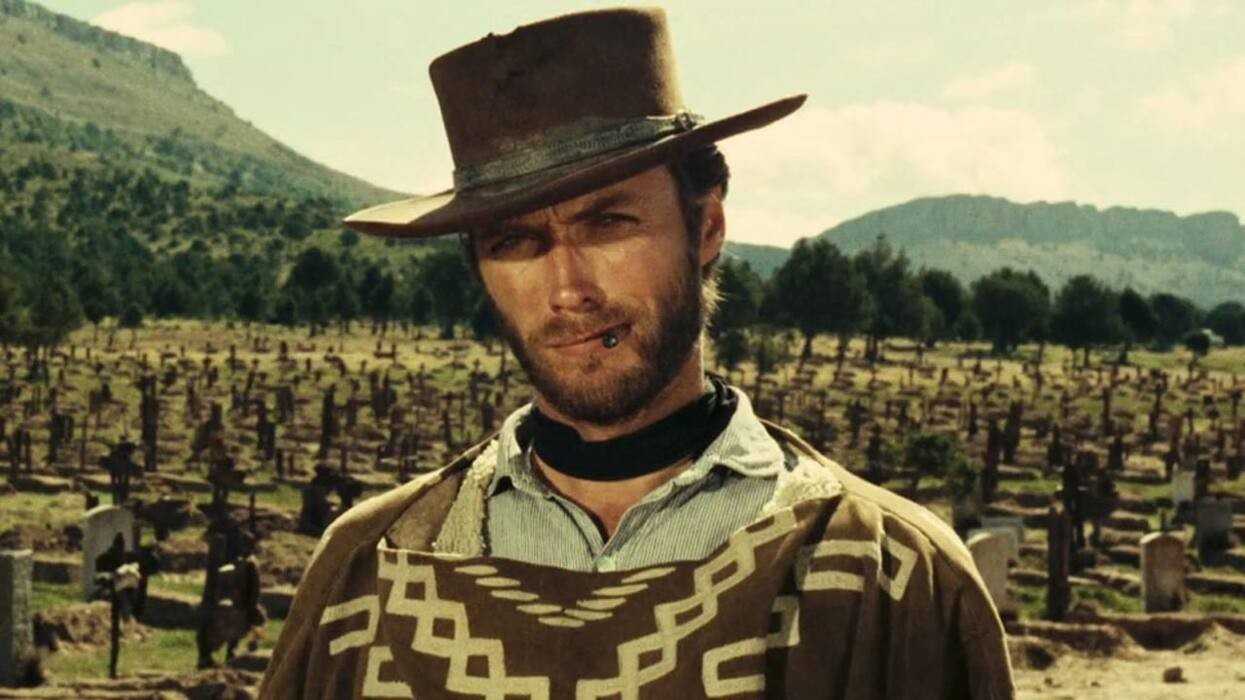
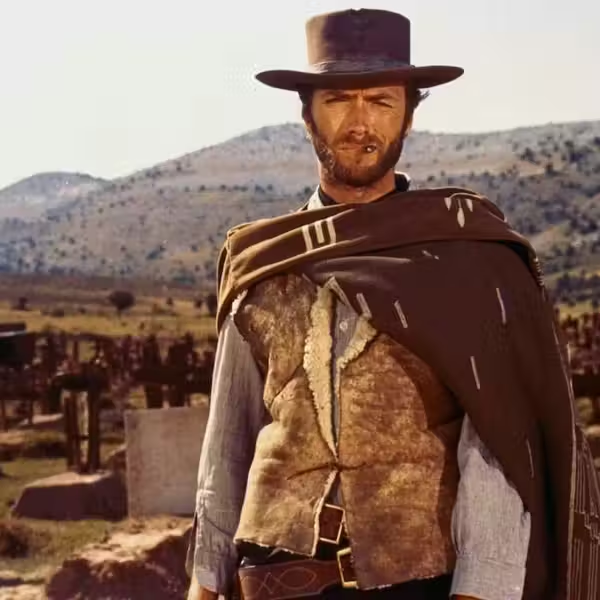
The Good, The Bad and The Ugly
From dusty trails to epic gunfights, Westerns once ruled Hollywood—then vanished, only to return in surprising new ways.
For decades, they were the backbone of American cinema, churning out tales of lone gunmen, lawless towns, and a moral compass constantly swinging between justice and revenge. The Western was almost a worldview rather than a genre. One built on wide-open landscapes, sparse dialogue, and the simmering tension between civilization and chaos.
At its core, the Western is about mythmaking. These films created a version of America that was raw, romanticized, and rugged as hell. The horse-riding cowboys were symbols—symbols of freedom, masculinity, and of the American dream—dressed in dusters and chewing on toothpicks. They gave audiences a simplified universe where good and evil were worn like badges, and where every showdown could redraw the moral lines.
What makes Westerns endure is their ability to shape—and reshape—American identity. Whether it's through the stoic cowboy with a haunted past or the corrupt sheriff trying to hold it together, Westerns deal in themes that never go out of style: survival, redemption, betrayal, and revenge. The frontier might change, but the need to conquer it—physically, emotionally, or morally—stays the same.
And just when you think the genre's ridden off into the sunset for good, it kicks up dust all over again.
The Golden Age: How Westerns Ruled Hollywood
The Silent Era & Early Talkies (1920s–1930s)
Before John Wayne strutted onto the screen or Clint Eastwood squinted his way through showdowns, there was The Great Train Robbery (1903). It ran barely twelve minutes, but it had gunfire, a moving train, and a shot fired straight at the audience—literally. That single moment helped launch an entire genre. Early Westerns were raw and simple, with masked bandits, damsels in distress, and horses doing most of the acting. Yet, they captured something primal: the thrill of the unknown, the chaos of new frontiers, and the dream of carving your place in an untamed world.
Then came Stagecoach (1939), directed by John Ford. This was a game-changer. Ford gave the genre a spine, sweeping visuals, layered characters, and specifically, John Wayne. It’s the film where the Western stopped being pulp and became cinema. With Monument Valley as its backdrop, Stagecoach set the gold standard for how the American West should look on screen: vast, merciless, and mythic.
What made these early Westerns work wasn’t just the horses and hats—it was how they tapped into national identity. For filmmakers, the appeal was clear: tight budgets, flexible sets, and broad emotional canvases.
For modern creatives, the early Westerns offer a lesson in scale and simplicity. You don’t need a complex plot when you have moral tension, striking visuals, and a ticking clock. Use the setting to amplify character, not drown it. And when in doubt, let silence do the heavy lifting.
The Post-War Boom (1940s–1950s)
After World War II, Westerns exploded like dynamite at a gold mine. The genre went from respected to dominant. Suddenly, there were cowboy movies everywhere—and most of them starred John Wayne. Audiences couldn’t get enough of stoic heroes, dusty landscapes, and quick-draw justice. These were comfort films, offering a sense of order in a world that had just lived through global chaos. Good guys wore white hats (mostly), bad guys got what's coming, and the line between lawman and outlaw was satisfyingly clear.
This was also the era of subgenres. You had your Cavalry Westerns (She Wore a Yellow Ribbon), outlaw sagas (The Gunfighter), and even singing cowboys like Roy Rogers and Gene Autry—serenading sidekicks while riding horses in perfect harmony. Directors like Howard Hawks and Anthony Mann pushed the genre into more psychologically complex territory, while Ford continued shaping its emotional core. Westerns had matured, but they hadn’t lost their swagger.
For today’s storytellers, this boom period proves that genres thrive when they evolve just enough. Contrary to what one would have feared, these films, instead of abandoning the Western formula, refined it. There’s power in repetition, but only when it’s mixed with deeper character work or sharper themes. Use archetypes wisely. Play with them, subvert them, but don’t underestimate the weight they carry in the audience’s imagination.
The TV Western Craze (1950s–1960s)
By the 1950s, Westerns expanded from being movie staples to being primetime royalty. Television brought the genre into living rooms across America, and it didn’t hold back. Gunsmoke, Bonanza, The Lone Ranger, Have Gun – Will Travel—these shows dominated the airwaves. For a while, it felt like every actor was either riding a horse or cleaning a rifle on screen. Kids were playing sheriff in the backyard, and dads were debating whether Matt Dillon or Ben Cartwright was the tougher lawman.
TV Westerns leaned hard into morality tales. The format was perfect: a tight 30–60 minutes to introduce a problem, deliver some justice, and ride off into the credits. Unlike the grittier films of the same era, these shows kept things mostly clean, family-friendly, and hopeful. They were consistent, formulaic—but also comforting. They gave the genre longevity, even as movies began to shift gears.
There’s a lesson here about scale and storytelling. Westerns worked on TV because the setting was modular—you could tell any kind of story in a frontier town. Writers and showrunners today can learn a lot from how these series used limited resources to build atmosphere and tension. Keep your world simple, your stakes clear, and your pacing tight. The frontier doesn't need filler—it needs purpose.
The Decline: How the Western Faded Away
Changing Audiences & Cultural Shifts (1960s–1970s)
By the late 1960s, the West wasn’t feeling so wild anymore. The America that once craved clear-cut cowboy justice was now knee-deep in civil unrest, political scandal, and the trauma of the Vietnam War. Suddenly, stories about righteous men with guns didn’t land the same way. The black-and-white moral codes of the Westerns felt out of step with a world painted in greys. Younger audiences were tuning out. They wanted realism, rebellion, and complexity—not another sheriff standing tall in the town square.
Cue the Spaghetti Westerns. Directors like Sergio Leone—working far from Hollywood and shooting in the deserts of Spain—took the genre, stripped off its clean image, and gave it dirt under the nails. The Good, the Bad and the Ugly (1966) was gritty, cynical, and operatic, with Clint Eastwood’s Man With No Name serving less as a hero and more as a necessary evil. These films were less about law and more about survival. And they traded orchestras for Ennio Morricone’s eerie, unforgettable scores.
The shift was loud and clear: the Western was losing its innocence. But it wasn’t entirely dead yet. What this period shows filmmakers is how genres can be reborn through confrontation. Spaghetti Westerns challenged the myth of the noble cowboy and replaced it with moral ambiguity. They prove that sometimes, to save a genre, you have to break it first.
The Blockbuster Era (Late 1970s–1990s)
Once the late ‘70s rolled in, Westerns were not even limping anymore. They were downright bleeding out. The rise of the modern blockbuster—Star Wars (1977), Jaws (1975), Indiana Jones—reshaped what audiences wanted. Lasers were in, lariats were out. People still liked hero stories, but now they wanted them in galaxies far, far away. Westerns began to feel slow, dusty, and too quiet for the Dolby-fueled spectacle that had taken over multiplexes.
Hollywood tried a few revivals, but most went belly-up. The biggest flop? Heaven’s Gate (1980), a film so bloated and disastrous it nearly sank its studio. Despite its ambitious vision and craftsmanship, audiences didn’t show up—and critics didn’t pull punches. Studios got the message loud and clear: Westerns were box office poison. The genre, once dominant, was now a commercial risk.
This era is a cautionary tale. Filmmakers can’t revive a genre by simply mimicking its surface-level tropes. Audiences evolve, and nostalgia isn’t a substitute for relevance. If you’re resurrecting something, it better have something new to say. Otherwise, you’re just putting a cowboy hat on a corpse.
The Resurgence: Westerns Reinvented
The Revisionist Western (1990s–2000s)
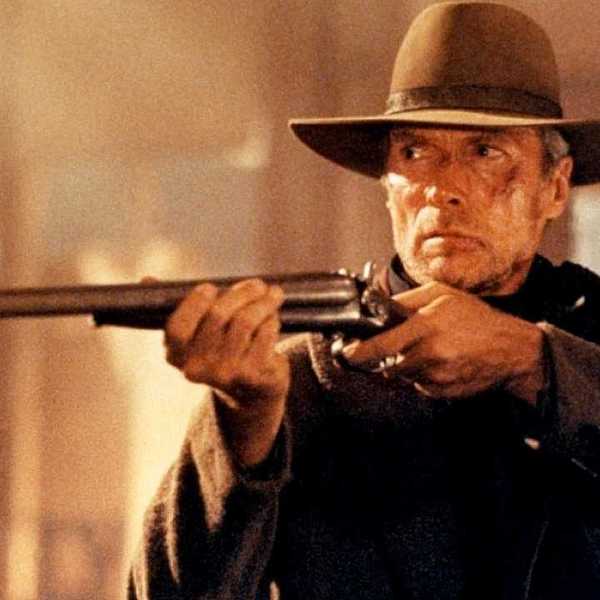
Just when the Western seemed truly buried, along came Unforgiven (1992) to kick the tombstone over. Directed by Clint Eastwood—who once embodied the gunslinger myth—this film did the exact opposite of what Westerns used to do. Instead of glorifying violence, it exposed its cost. Instead of offering heroes, it gave us broken men. In Unforgiven, Eastwood’s character is far from someone who can be called a legend. He’s a tired killer trying to outrun his past, and failing.
Around the same time, we saw the rise of Westerns that leaned into grit, melancholy, and emotional complexity. Tombstone (1993) had swagger, but also sorrow. Deadwood (2004–2006), HBO’s chaotic masterpiece, was part Western, part Shakespearean brawl, with dialogue as filthy as it was poetic. These Westerns were not trying to tame the frontier. Instead, they were showing the personal and cultural wreckage that frontier life left behind.
Here’s what modern creatives can steal from this phase: don’t be afraid to challenge the myth. Peel back the iconography and ask what’s really underneath. A cowboy doesn’t need to be noble. A sheriff doesn’t need to be just. The tension between image and reality is where revisionist Westerns thrive—and that’s where character depth lives.
Neo-Westerns & Genre Blending (2010s–Present)
Now we’re in the age of the hybrid Western—the genre that sneaks into other genres like a cowboy crashing a dinner party. No Country for Old Men (2007) brought Cormac McCarthy’s bleak Texas landscape to the screen and made the West feel contemporary, brutal, and eerily quiet. Hell or High Water (2016) followed two desperate brothers robbing banks across rural Texas, with dusty roads, moral ambiguity, and lawmen with personal baggage. These were Westerns in spirit—just with pickup trucks instead of horses.
Then there’s The Mandalorian (2019–present), which took the Western to space. It’s essentially a Lone Wolf and Cub Western with laser rifles, bounty hunting codes, and wide-open alien deserts. It proved that the Western themes—honor, isolation, reluctant heroism—can live anywhere, even in a galaxy far, far away.
For creators, the takeaway is this: the Western is a mood, not a dress code. It’s not about the setting—it’s about the tension. Man vs. wilderness. Man vs. himself. Justice vs. survival. If those core elements are alive, your story is a Western, even if it’s set in the year 3000.
The Streaming Revival
Streaming gave the Western a second wind—or maybe a third or fourth. With platforms like Paramount+ and Netflix pouring money into original content, Westerns have found room to breathe again. Yellowstone (2018–present) turned Kevin Costner into a modern-day cattle king, and audiences can’t get enough of it. Its prequel, 1883 (2021), leaned hard into the raw brutality of frontier life and gave the genre a shot of emotional realism that struck a chord.
On the other end of the spectrum, The Harder They Fall (2021) hit Netflix with style, swagger, and a much-needed shake-up. With a mostly Black cast, razor-sharp editing, and a killer soundtrack, it was more than a Western. It was a reclamation of space the genre had historically ignored. The streaming era has allowed for more diversity, experimentation, and genre fusion—and that’s exactly what the Western needed.
Here’s what this moment teaches us: formats evolve, but stories with roots survive. The Western is thriving again because it stopped trying to recreate the past and started reflecting the present. New voices, new stories, and new perspectives are the keys to keeping any genre alive.
Why Westerns Still Matter
Even after being left for dead multiple times, the Western keeps finding ways to dust itself off and ride again. Its influence can be felt across genres—antiheroes, morally gray protagonists, and themes of justice versus chaos are all staples in today’s top shows and films. Whether it’s a lone samurai (Shogun), a rogue superhero (Logan), or a grizzled bounty hunter in space (The Mandalorian), they all carry the Western’s DNA.
Part of what keeps the Western relevant is its flexibility. It doesn’t need to be stuck in the 1800s. It doesn’t even need cowboys. The heart of the genre lies in its emotional terrain: isolation, reckoning, code vs. conscience. And those things? They don’t age. They adapt. They evolve. They always find a new saddle to ride in on.
What’s next? More international Western? More marginalized voices taking the reins? Westerns set in post-apocalyptic landscapes or neon-lit cities? As long as filmmakers keep rethinking the genre instead of recycling it, there’s no reason why Westerns can’t stay in the saddle for good.
The West Was Never Really Dead
The Western has been counted out more times than an old gunslinger slumped at a saloon bar. But each time, it adjusts its hat, stands up, and heads back out into the wild. Maybe that’s why the genre refuses to die—it understands reinvention better than most. Its core themes are as durable as worn leather, and its stories still strike deep, even when dressed in new clothes.
The Westerns are about where we’ve been, but they are also about where we’re going. Because as long as there are stories of heroes, outlaws, and the untamed frontier, the Western will ride again.
- Making a Western? Here's How to Max Out Your Locations and Find an Audience ›
- The Western Genre in Film and TV (Definition and Examples) ›
- 9 Most Brutal Western Movies Ever Made ›
- How Did the Close-Up Change the Way We View Westerns? ›
- When Silence Speaks Louder Than Bullets: The Genius of Leone’s Opening Sequence ›
- 10 Modern Westerns Destined to Become Classics ›
- “Dying Ain’t Much of a Living”: The Meaning Behind The Gritty Philosophy of The Outlaw Josey Wales ›
- Walking Over Your Grave: Doc Holliday’s Deadliest Line in 'Tombstone' ›
- 10 Coldest “Before I Kill You” Lines in Cinema ›
- “I Reckon So”: Josey Wales’ Three Words of Steel in ‘The Outlaw Josey Wales’ ›
- Lawless Malice: The 10 Scariest Villains in Westerns ›
- The 8 Best Westerns of the ‘80s: Ranked ›
- The 13 Best Westerns of the ‘90s: Ranked ›
- “Burnin’ Daylight!”: The Wisdom Behind John Wayne’s Most Famous Line in ‘The Cowboys’ (1972) ›
- Top 10 Iconic Western Duels in Movie History ›
- ‘Shane’: The Moral Reasoning Behind a Hero’s Goodbye ›
- A Nice Piece of Hickory: Why ‘Pale Rider’s’ Simplest Fight is Its Best ›
- The Lethal “Mule” Gag: How ‘A Fistful of Dollars’ Introduced a Legend ›
- More Than a Threat: The "No-Nonsense" Irony of the "3 Coffins" Gag in ‘A Fistful of Dollars’ ›
- 7 Iconic Gene Hackman Quotes from the ‘70s ›
- 15 Western Movie Tropes: The DNA That Defines the Genre ›
- ‘Dances with Wolves’: The Bet Nobody Thought Would Pay Off ›
- Tombstone vs. Wyatt Earp: Two Westerns, One Legendary Showdown ›
- 7 Best Spaghetti Westerns, Ranked ›
- The Meaning Behind “We Don’t Need No Stinking Badges” in The Treasure of the Sierra Madre ›
- This 1952 Western Classic Ranked Among ‘Best Movies’ of All Time ›
- 1956 Western Classic Ranked Among ‘Best Movies’ of All Time ›